Introduction — A Growing Global Appetite for Chickpeas
Chickpeas have moved far beyond traditional cuisines to become a core ingredient for modern food manufacturers and retail brands. From classic hummus and ready-to-eat snacks to plant-based protein formulations, Indian chickpeas, both Kabuli and Desi types, are increasingly the go-to ingredient for buyers seeking quality, scale and competitive pricing. Global production volumes remain large, while specialty demand for chickpea-based products is expanding rapidly.
Kabuli vs Desi: Two Chickpeas, Two Commercial Profiles
Understanding the differences between Kabuli and Desi chickpeas explains why buyers choose one over the other:
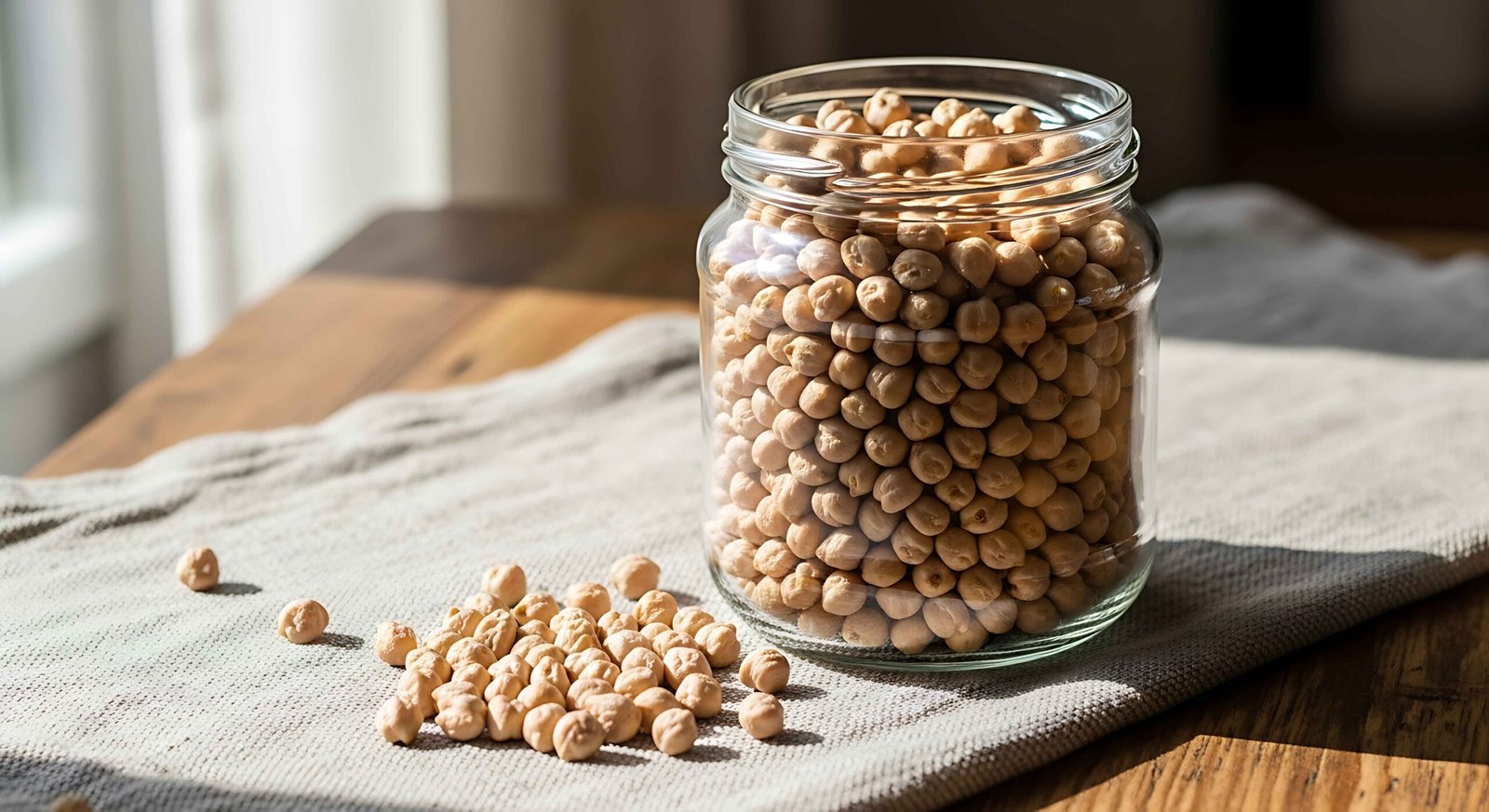
- Kabuli (large, pale-beige seed; smooth coat) is preferred for hummus, canned chickpeas and snack products where appearance, quick rehydration and creamy texture matter.
- Desi (smaller, darker, rough coat) is favored for split chickpeas (chana dal), roasted snacks and flours, it’s often more drought-resilient and widely grown across South Asia.
Nutritionally, both types are high in protein, fiber and micronutrients; studies show only modest differences in macronutrient profiles between Kabuli and Desi variants, while functional and processing differences drive commercial choice.
Demand Drivers: Why Hummus & Snack Industries Are Increasingly Chickpea-Driven
Three converging trends are powering demand for chickpeas globally:
- Hummus market expansion: Packaged hummus is among the fastest-growing prepared-food categories worldwide. The global hummus market at ~USD 4+ billion in 2024 with double-digit CAGR forecasts, driven by health-oriented consumers and retail innovation. This is directly translating into higher demand for Kabuli chickpeas.
- Snackification & plant-protein trends: Clean-label, high-protein snacks (roasted chickpeas, chickpea puffs, bars) are appealing to millennials and flexitarians; manufacturers prefer consistent, high-quality Indian chickpeas for cost efficiency and scale.
- Regional consumption growth: Demand is particularly robust in the Middle East, Europe, North America and parts of Southeast Asia, where both traditional recipes and modern product formats are scaling rapidly. Market intelligence highlights strong growth in Middle East chickpea markets as an example.
India’s Competitive Position in the Chickpea Value Chain
India remains one of the world’s largest chickpea producers and exporters. Its competitive strengths for global buyers include:
- Varietal diversity & year-round sourcing windows: India supplies both Desi and Kabuli types across seasons and regions.
- Cost competitiveness: Direct farmer linkages, dense processing clusters and export logistics make Indian chickpeas price-effective versus many competitors.
- Quality & compliance capability: Indian exporters increasingly offer multi-stage testing, food-safety certifications and customized packing that meet retail and industrial specs.
Food manufacturers demand:
- Uniform kernel size and colour (critical for hummus texture and appearance).
- Low moisture and low defect counts (shelf stability and process efficiency).
- Traceability & certifications (GMP, HACCP, FSSAI, third-party testing for pesticide residues and microbiology).
Indian supply chains, when run by professional exporters, can and do meet these specifications at scale. The differentiation lies in partner selection: manufacturers must source from exporters with strong QA protocols, certified laboratories, and predictable logistics.
RNG Agro Exports: Strategic Partner for Chickpea Sourcing
RNG Agro Exports positions itself as a strategic, buy-side partner for global hummus makers and snack innovators. Here’s how RNG converts India’s production strengths into reliable commercial outcomes:
- Targeted Sourcing for Fit-for-Purpose Supply
- RNG sources Kabuli chickpeas from regions and seasons that guarantee larger, lighter-colored kernels for hummus and canned applications. For snack-grade and desi flour needs, RNG procures Desi lines optimized for split, roasting and milling.
- Rigorous Quality Assurance & Lab Testing
- Multi-stage inspection (field sampling → cleaning & optical sorting → accredited laboratory assays). RNG reports moisture, protein, defect counts and residue analyses with every lot eliminating unpleasant surprises on arrival.
- Customized Value-Addition
- RNG offers pre-soaking, par-cooking, packaging in varied bag sizes (retail & bulk) and even branded private-label options for co-packers. These services reduce downstream processing costs for buyers and speed time-to-market.
- Traceability & Compliance
- Complete farm-to-freight traceability and support for required export documentation (phytosanitary certificates, certificates of origin, lab reports) make regulatory clearance smooth in target markets.
- Commercial and Logistics Efficiency
- Direct farmer aggregation, regional processing hubs and optimized shipping consolidate costs, RNG’s supply model helps buyers access premium chickpeas at competitive landed costs.
- Market Intelligence & Partnership Approach
- RNG advises buyers on seasonal pricing, forward coverage and product formulation options, acting as a procurement partner rather than a one-off seller.
Why Now Is the Right Time to Partner with Indian Suppliers
Hummus and chickpea-based snacks are moving from niche to mainstream in many markets. Given projected category growth and expanding processing capacity in import markets, securing reliable, certified chickpea supply chains is a strategic imperative for food brands. Indian farmers backed by professional exporters like RNG Agro provide the right mix of capacity, commercial terms and quality assurance to meet that need.
For global food processors, manufacturers and ingredient buyers seeking consistent, compliant and cost-effective chickpea supply, RNG Agro Exports is a strategic partner. We deliver product-fit sourcing (Kabuli for creamy hummus; Desi for snacks and flours), accredited lab reporting, traceability and customized logistics so your formulation and production teams can focus on innovation and scale.
Contact RNG Agro Exports today to discuss specifications, pilots, pricing and long-term supply arrangements. Let’s build a predictable supply chain for your hummus and chickpea-based product ambitions.