
Executive Perspective
The UN’s designation of 2023 as the International Year of Millets (IYM) successfully shifted millets from a “regional staple” narrative to a global ingredient strategy notably across health-forward packaged foods, gluten-free formulations, and resilience-driven sourcing agendas.
For importers and food manufacturers, the post-IYM phase is less about awareness and more about industrialization of demand: consistent specs, food safety compliance, repeatable milling performance, and reliable year-round supply. India is positioned as the natural anchor origin, given its production scale and expanding export ecosystem.
Why India is Structurally Advantaged in Millets
India is widely cited as the largest producer of millets globally, with APEDA noting India’s share at 38.4% of world production (FAO, 2023) a scale advantage that matters when buyers need multi-container programs, not spot purchases. USDA’s global production snapshot also places India as the leading producer in 2024/25.
Strategic implication: As demand moves from niche to mainstream, buyers increasingly prefer origins that can deliver (1) volume continuity, (2) spec consistency, and (3) diversification across millet types and grades. India is one of the few origins that can credibly do all three.
What Global Buyers are Sourcing Now
Post-IYM demand is concentrated around three purchase archetypes, each with different specifications and compliance expectations.
1) Whole grains for retail, ethnic, and institutional channels
These buyers typically source:
- Pearl millet (Bajra) for staple consumption and blends
- Sorghum (Jowar) for flour/meal conversion and feed-adjacent demand
- Finger millet (Ragi) for nutrition positioning and premium formulations
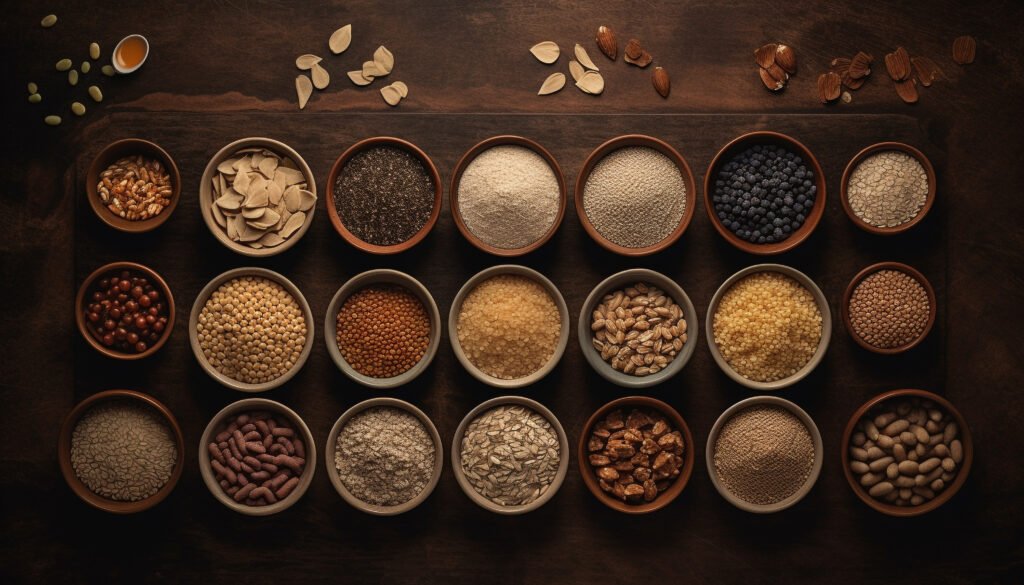
- Small millets (foxtail, little millet, kodo, barnyard, etc.) for premium health segments
India’s export mix has historically been skewed toward whole grain rather than value-added products, an important reality for exporters and importers designing product pipelines.
2) Ingredient buyers (mills, food processors, private-label brands)
These buyers are increasingly sourcing:
- Millet grains for controlled milling into flour
- Standardized flour (mesh consistency; water absorption; taste neutrality)
- Millet for multigrain bakery, snacks, and ready-to-cook applications
Here, “India origin” is attractive, but the winning factor is supplier capability in:
- Lot-to-Lot Stability
- Moisture Control
- Foreign Matter Control
- Documented Traceability and Testing
3) Export programs with compliance-led specifications
In regulated markets, buyers’ purchase decisions increasingly hinge on residue compliance and contaminant risk management. EU rules, for example, specify MRLs at commodity level, including proso/common millet references within cereals categories. This pushes suppliers toward stronger testing, auditable documentation, and pre-shipment controls.
Demand is Growing, but Exporters must Understand “Quality Bar Shift”
Many exporters assume millets are “like any other cereal.” Post-IYM demand is different: buyers are applying ingredient-grade governance (similar to spices and specialty grains).
Key requirements global buyers now specify more explicitly:
- Moisture range aligned to shelf-life targets and milling stability
- Foreign matter limits (stones, stalks, husk, and extraneous seeds)
- Micro parameters (especially for flour shipments)
- Residue testing aligned to destination market tolerances
- Batch traceability: farm/cluster/aggregator mapping, not just trader invoices
- Packaging engineering: liner strength, humidity protection, container stuffing SOPs
The Export Reality: India has Scale, but Export Orientation is Still Low
One of the most under-discussed facts in millets is that India remains under-exported relative to its production. Millet export orientation for India is estimated at ~0.9% of production, indicating significant headroom if exporters can meet modern buyer requirements. On trade outcomes, in 2024–25, India exported 89,164.96 tonnes of millets valued at USD 37 million.
How to interpret this (commercially):
- Demand is real, but export performance can swing with domestic policy, pricing, and value-added pipeline maturity.
- For importers, this increases the value of suppliers that can contract reliably, hold specs, and build redundancy across sourcing clusters.
Where the Next Demand is Coming From (post-IYM)
Across buyer conversations, three demand engines are proving most durable:
- Health + formulation economics (not just marketing):
Millets offer strong positioning (gluten-free options, fiber/protein narratives), while enabling cost-effective multigrain formulations in many categories.
- Climate resilience sourcing:
Millets’ reputation as hardy crops supports importer risk narratives, especially as buyers face climate-linked supply volatility.
- Processing and convenience:
The next export growth wave is likely to come from ingredient formats (cleaned, graded, ready-to-mill grains; flours; semolina-like cuts; and controlled blends). Value-added millet exports remain relatively small, this is precisely where exporters can build differentiation.
How RNG Agro Exports Positions as a Strategic Millet Sourcing Partner
In post-IYM trade, buyers do not reward “availability”; they reward repeatability. RNG Agro Exports can position itself as a strategic partner by operating as a spec-led supply program manager, not a spot trader.
What sophisticated buyers typically value and what RNG Agro Exports can emphasize:
- Multi-origin cluster sourcing within India to reduce single-region risk
- Exporter-grade cleaning, grading, and packaging aligned to destination specs
- Pre-shipment testing and documentation discipline (COA support, traceability pack)
- Program-based contracting for consistent monthly/quarterly shipments
- Clear specification alignment for grain type, moisture, foreign matter, and application (retail vs milling vs processing)
This is how you shift the buyer’s mental model from “commodity purchase” to sourcing partnership.
Conclusion: The Post-IYM Opportunity Belongs to Execution-led Exporters
The International Year of Millets created awareness; the post-IYM market will be won by suppliers that can deliver industrial consistency i.e. spec compliance, documentation, and dependable shipment performance. India has the production depth to remain a preferred origin, but importer trust will increasingly concentrate around exporters who can run repeatable, audit-friendly supply programs.